
Introduction
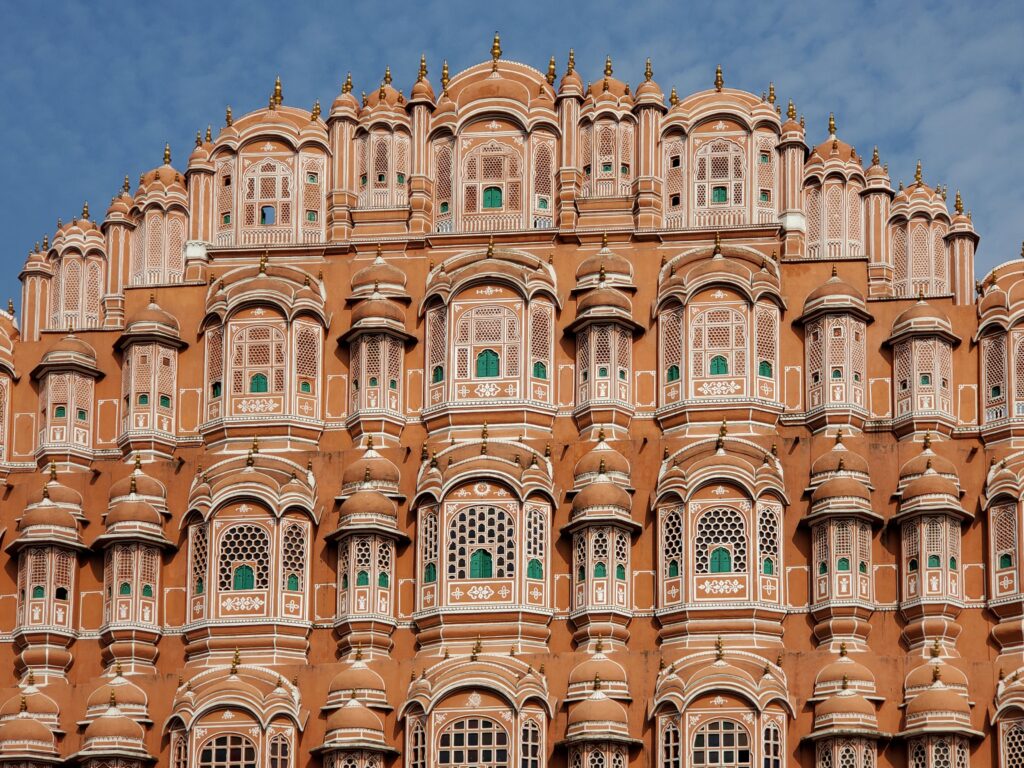
Hawa Mahal, popularly known as the Palace of Winds, is one of India’s most iconic historical monuments. Located in the heart of Jaipur, it is famous for its stunning pink sandstone façade, unique honeycomb windows, and remarkable Rajput architecture. Every year, millions of tourists from around the world visit Hawa Mahal to admire its beauty and learn about its fascinating history.
This comprehensive guide covers everything you need to know about , including who designed , when was built, its history, architecture, interesting facts, visitor information, and travel tips.
What Is Hawa Mahal?
Hawa Mahal is a five-story palace located in Jaipur, the capital city of Rajasthan. It was built as an extension of the City Palace and served as a royal viewing gallery for the women of the royal family.
The palace gets its name, “Hawa Mahal” (Palace of Winds), because of its numerous small windows that allow cool air to circulate throughout the building, keeping it naturally ventilated even during Rajasthan’s hot summers.
Who Designed Hawa Mahal?
One of the most frequently asked questions is, “Who designed Hawa Mahal?”
Hawa Mahal was designed by Lal Chand Ustad, a renowned architect of the royal court of Jaipur. His vision combined functionality with artistic excellence, creating a palace that became one of the finest examples of Rajput architecture.
Lal Chand Ustad designed the palace with 953 intricately carved windows, known as jharokhas, allowing royal women to observe festivals, processions, and everyday street life without being seen by the public, in keeping with the purdah tradition of the time.
His architectural masterpiece continues to impress visitors and historians with its innovative design and natural cooling system.
When Was Hawa Mahal Built?
Another common question is, “When was Hawa Mahal built?”
Mahal was built in 1799 by Maharaja Sawai Pratap Singh, the ruler of Jaipur. Inspired by the crown of Lord Krishna, the palace’s façade reflects the ruler’s deep devotion and artistic taste.
Despite its elaborate appearance, was designed primarily as a viewing gallery rather than a royal residence. Today, it remains one of the most recognizable landmarks in Jaipur.
History of Hawa Mahal
The history of Mahal dates back to the late 18th century during the rule of Maharaja Sawai Pratap Singh.
At that time, royal women followed the purdah system, which prevented them from appearing in public. To allow them to enjoy city festivals and royal processions without being seen, the Maharaja commissioned the construction.
The palace was built as part of the nearby City Palace complex and became a symbol of royal elegance and architectural innovation.
Over the centuries, has been carefully preserved and remains one of Rajasthan’s most visited historical attractions.
Architecture of Hawa Mahal
The architecture of Mahal is considered one of the finest examples of Rajput architecture with influences from Mughal design.
Key Architectural Features
- Constructed using red and pink sandstone.
- Five-storey pyramid-shaped structure.
- 953 beautifully carved jharokha windows.
- Delicate lattice screens that provide privacy.
- Natural ventilation that keeps interiors cool.
- Decorative domes, arches, and floral motifs.
- Intricate carvings reflecting royal craftsmanship.
The palace appears massive from the front but is relatively narrow from the side, making it an architectural marvel.
Why Is Called the Palace of Winds?
The name “Palace of Winds” comes from its ingenious ventilation system.
The palace contains 953 small windows, allowing cool air to pass through continuously. This creates a natural air-conditioning effect, making the palace comfortable even during Rajasthan’s intense summer heat.
Conclusion
Hawa Mahal is much more than a beautiful monument—it is a masterpiece of Indian architecture, engineering, and royal heritage. Designed by Lal Chand Ustad and built in 1799 under Maharaja Sawai Pratap Singh, the Palace of Winds continues to captivate visitors with its elegant façade, innovative ventilation system, and rich history.
Whether you are a history enthusiast, architecture lover, photographer, or traveler exploring Jaipur, Hawa Mahal offers a memorable experience and remains one of the most remarkable historical landmarks in India.